Roof Care for Salisbury's Historic and Period Homes
Salisbury is one of England's great cathedral cities, laid out in the thirteenth century around the cathedral with its famous spire, the tallest in the country. Its medieval grid of streets, the historic Close and centuries of building that followed have left the city rich in period and historic homes. Above those handsome buildings sit roofs of real age, and the older ones in particular need care that respects what they are.
This guide is for owners of Salisbury's period and historic homes. It explains what makes an older roof different, why the city's setting encourages moss, and how to keep a period roof clean and sound without causing damage to a building of real character and value.
The quick answer: Salisbury's older homes usually have aged slate, clay or tile roofs that are brittle with time, so they should be cleaned with gentle low pressure soft washing rather than a pressure washer, with the ridges, valleys, flashings and gutters checked at the same time.
1. A city built for the ages
Salisbury grew up as a planned medieval city, and its long history shows in its buildings. From medieval and timber framed houses to elegant Georgian townhouses and later Victorian terraces, the city offers a wonderful range of period property, much of it within conservation areas or listed.
The roofs on these homes have weathered a great deal of time. Even where slates or tiles have been replaced over the years, the underlying structure, timbers and chimneys often date back much further, and the covering as a whole has aged considerably.
For a homeowner, that means looking after a period roof rather than a modern one. It was built to last, but it needs the respect its age and the building's value deserve.
2. Why age makes a roof fragile
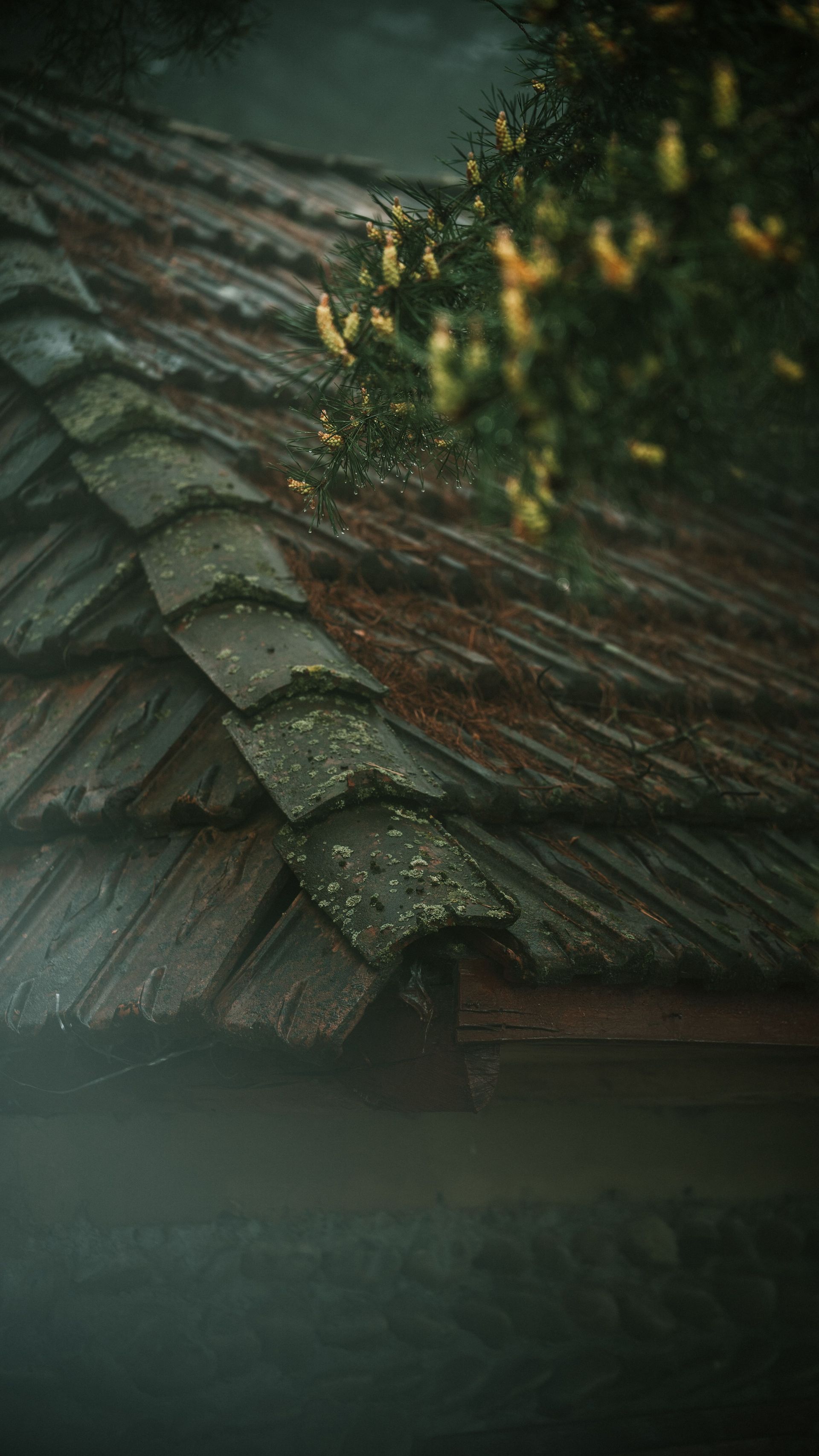
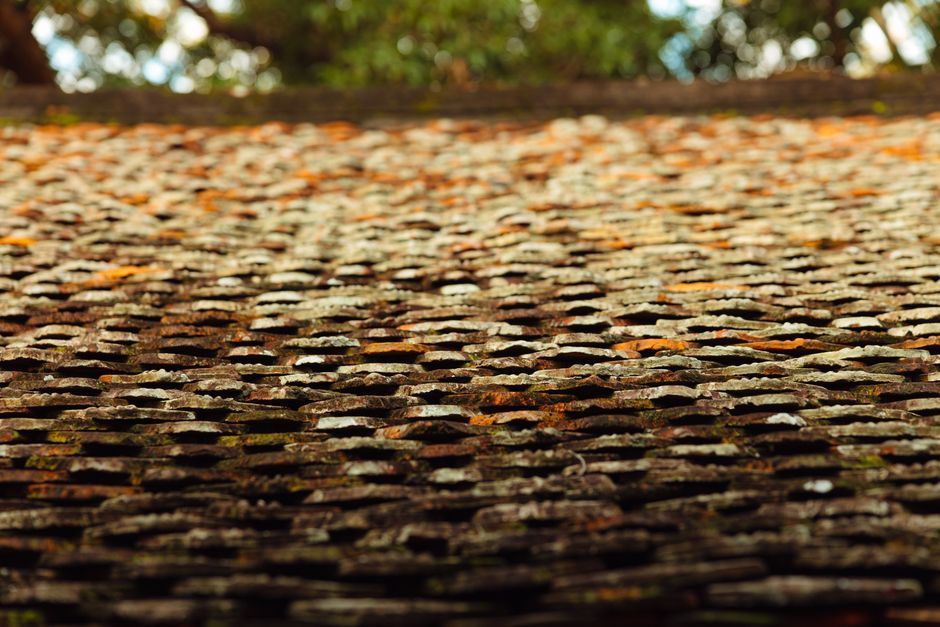
Older slate and clay behave differently from new materials. Slate can delaminate, flaking into thin layers, and the nails holding it corrode and fail, leading to slipped and missing slates. Clay grows brittle and can crack, especially after a frost. Both develop weathered surfaces that moss and lichen colonise readily.
The details matter as much as the open slopes. Ridge tiles bedded in old mortar work loose, valleys between slopes collect debris, and lead flashing around chimneys lifts or splits with age. On an old building, a single failed detail can let water in even when the rest of the roof looks sound.
All of this means an older Salisbury roof cannot be treated roughly. It needs a gentle approach that cleans without stressing brittle materials or dislodging the details.
3. Why moss takes hold in Salisbury
Salisbury sits low in the landscape at the meeting of several rivers, surrounded by water meadows. That damp, low lying, riverine setting keeps the air moist and roofs slow to dry, which is exactly what moss, algae and lichen need to thrive.
Older roofs make an even better home for them. Weathered slate, clay and tile give spores an easy grip, and the city's mature trees shade roofs and drop debris that holds moisture against the tiles. Shaded, north facing slopes green over first and worst.
On a period roof, that trapped moisture is a real threat. It keeps brittle materials constantly wet, works into joints, and washes debris down into the gutters where blockages lead to overflow and damp.
4. The right way to clean a period roof
For these roofs, soft washing is the correct method. Instead of force, it uses low pressure water and a biocide that kills moss, algae and lichen at the root. The growth dies off and clears gently, without the covering being battered.
Pressure washing can do real harm to a period roof. A powerful jet cracks aged slate and clay, washes out ridge mortar and drives water under the covering, causing damage that is expensive and, on a listed building, sensitive to put right. Soft washing avoids all of that while cleaning thoroughly.
The biocide keeps working for months, slowing regrowth in Salisbury's damp climate. That means fewer interventions over time, which is exactly what you want on a roof you are trying to preserve.
5. Looking after the whole roof
A period roof is a system, and its details and gutters matter as much as its slopes. On an older Salisbury home, keeping water flowing where it should protects the walls and any historic fabric below. Here is what a proper clean and check should cover:
- The main slopes , cleared of moss and algae by gentle soft washing.
- Ridge tiles and mortar , checked for looseness or crumbling.
- Valleys between slopes , cleared of debris that causes blockages.
- Lead flashing around chimneys and abutments, checked for lifting or splitting.
- Gutters and downpipes , cleared to protect the walls below.
Catching a loose ridge or a lifted flashing early is far cheaper than dealing with the water damage that follows if it is missed.
6. Choosing the right care
A historic home deserves a careful hand. The right professional understands older buildings, uses the gentle soft washing method, and checks the vulnerable details as well as the open slopes. Owners of listed buildings should also check whether consent is needed before significant work, since the roof is part of a protected structure.
That care is an investment. A roof cleaned properly and checked regularly keeps both its looks and its strength for many years.
Frequently Asked Questions
Will cleaning damage the slates on my period home?
Not if done gently. Pressure washing can crack or dislodge aged slates, but a low pressure soft wash lifts moss and dirt safely and is the right method for older roofs.
Do I need consent to clean a listed roof in Salisbury?
Routine gentle cleaning usually does not, but work that could affect the fabric of a listed building may. If in doubt, check with the local conservation team first.
Why do older Salisbury roofs attract so much moss?
Their weathered surfaces give spores an easy grip, and the city's low, damp, riverine setting keeps roofs moist, which is what moss and algae need.
How often should a period roof be cleaned?
It varies with shade and tree cover, but every few years is typical. The lasting biocide protection means the roof is disturbed less often, which suits an older building.
Can I clean the roof myself?
It is best not to. Working at height on older property is risky, and the wrong method can damage fragile materials. A specialist is safer and more effective.
Own a period home in Salisbury?
Ben's Roof Cleaning cares for historic and period roofs across Salisbury and Wiltshire, with a gentle soft washing method and over 15 years of experience. Get in touch or call 01722 443255
for a free, no-obligation quote.
Caring for roofs with a long history
Salisbury's historic and period homes carry roofs that have already weathered generations, and with the right care they will weather many more. The key is to respect their age. Treat brittle slate, clay and tile gently, clean with low pressure rather than force, and keep the details and gutters in good order so water always goes where it should. Do that, and an older Salisbury roof will keep both its character and its strength for years to come.