Getting a Salisbury Roof Ready for Winter
Winter is the season that finds every weakness in a roof. In Salisbury, where the Rivers Avon, Nadder, Wylye, Bourne and Ebble meet and the surrounding water meadows keep the air damp for much of the year, the cold months put a particular kind of pressure on the tiles, gutters and mortar above your head. A small problem that goes unnoticed in September can become an expensive one by February. The good news is that most winter roof trouble is preventable with a little preparation before the first hard frosts arrive.
This guide walks through what actually matters when getting a Salisbury roof ready for winter, why the local climate makes each step worthwhile, and how to tell the difference between routine maintenance and a job that needs a professional. Do a few of these things now and you spend the winter thinking about anything other than your roof.
The quick answer: preparing a Salisbury roof for winter means clearing moss and debris, emptying and checking the gutters, looking for slipped or cracked tiles, and dealing with damp-loving growth before freezing weather can turn small faults into leaks. The wet, low-lying ground around the city means moisture is the main enemy, so keeping water moving off and away from the roof is the single most important thing you can do.
1. Clear the moss before the frost sets in
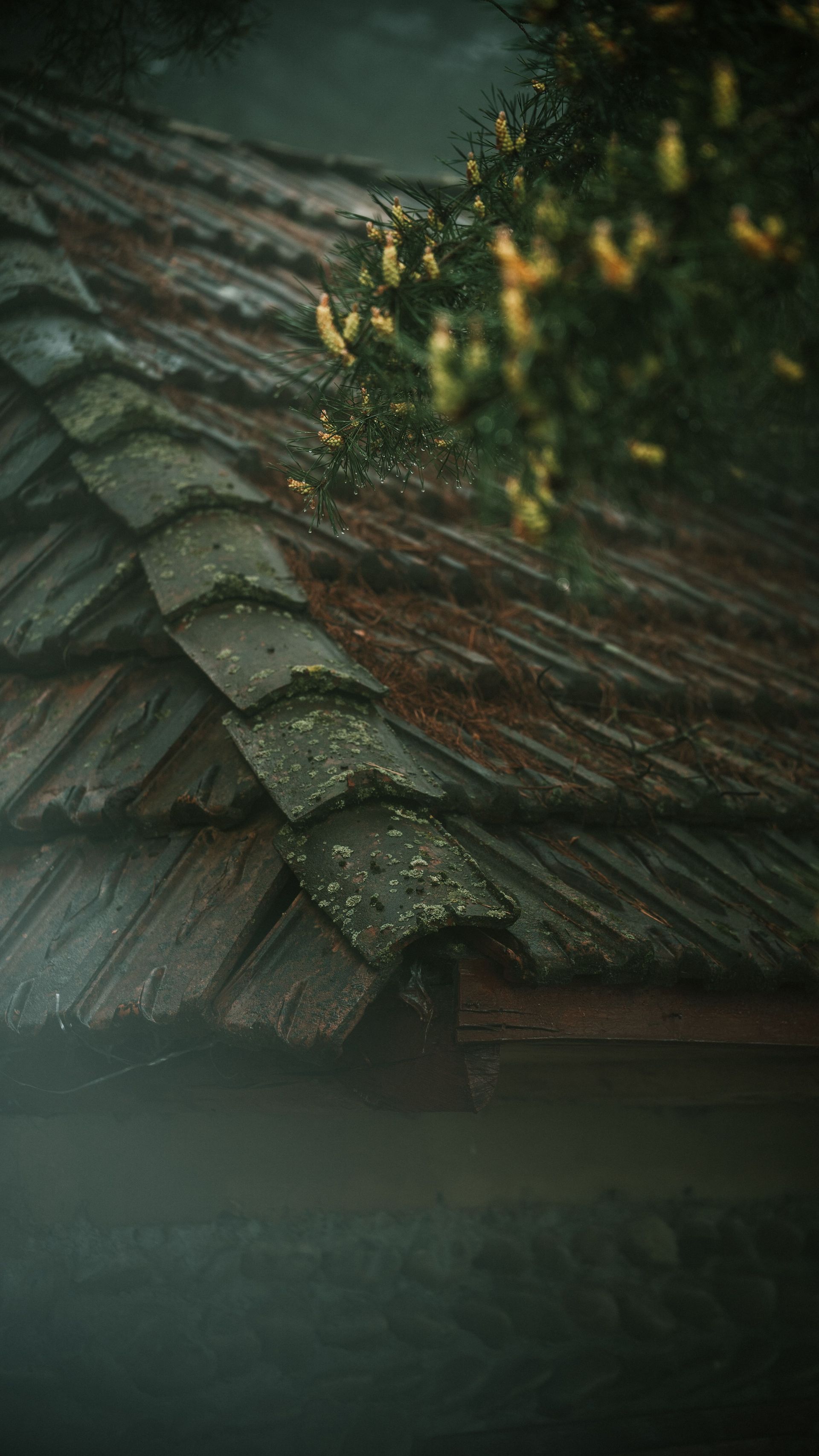
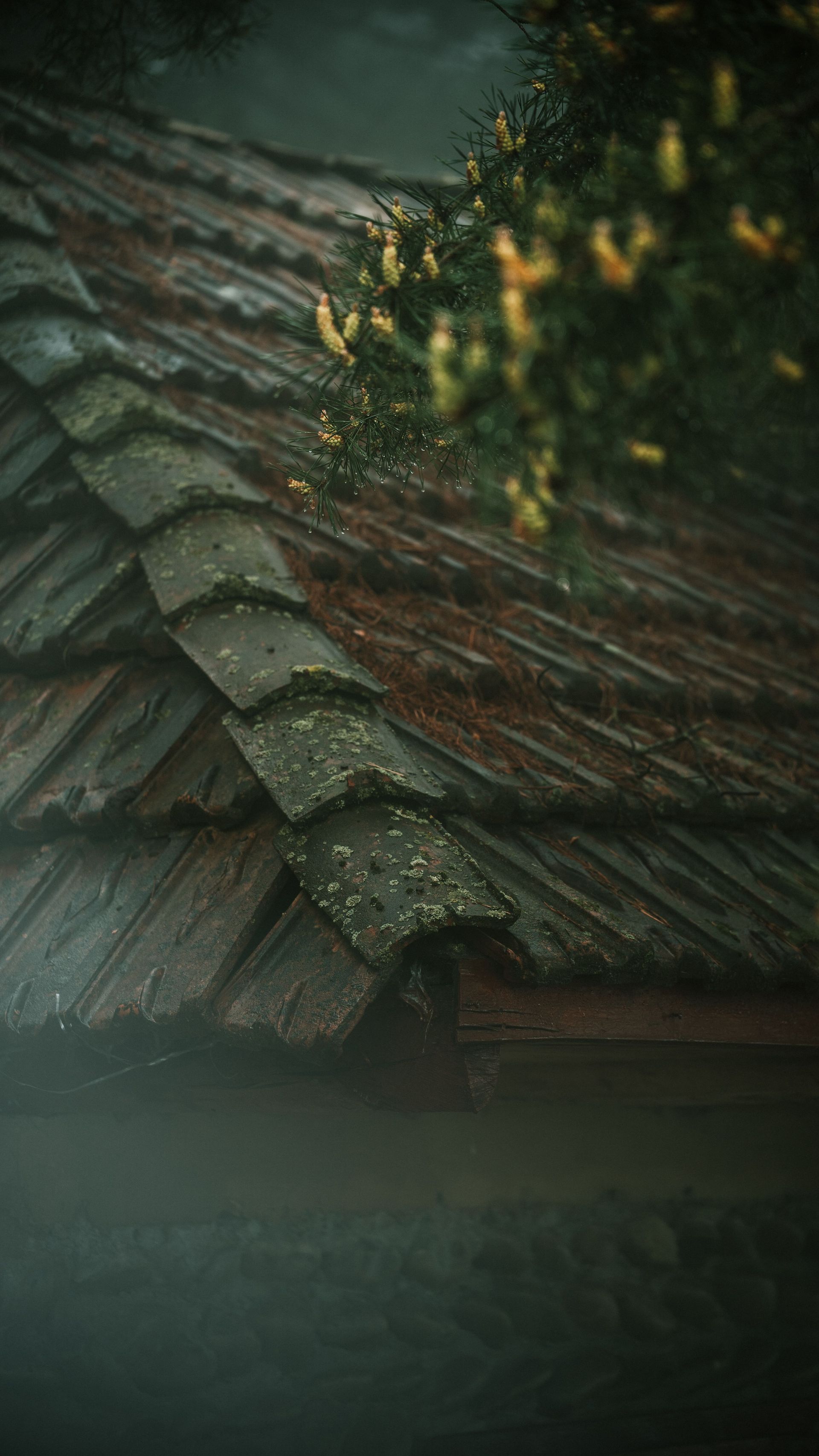
Moss is more than an appearance problem in winter. When moss holds water against your tiles and that water freezes overnight, it expands, and repeated freeze-thaw cycles slowly break down the surface of the tile. Salisbury's damp river-valley air gives moss ideal growing conditions through autumn, so by the time winter arrives many roofs are carrying thick green cushions along the north-facing slopes and in the shaded valleys between roof sections.
Removing that moss before the cold weather is one of the most valuable things you can do. It stops the freeze-thaw damage, it keeps the water channels between tiles clear, and it prevents clumps of dead moss from washing down and blocking your gutters during the first heavy rain. A professional soft wash, which uses low-pressure water and a treatment rather than a harsh jet, lifts the moss without driving water up under the tiles or stripping the protective surface.
It is worth resisting the temptation to blast moss off with a pressure washer, especially this close to winter. High-pressure water can crack older tiles, force moisture into places it should never reach, and leave the roof more vulnerable just as the frosts begin. Gentle removal now protects the roof through the hardest months.
2. Empty and check the gutters
Gutters do their most important work in winter, when Salisbury sees some of its heaviest and most persistent rain. A gutter clogged with leaves, moss and grit cannot carry water away, so it overflows down the walls, pools around the base of the house, and in freezing conditions can form ice that puts real weight on the brackets. Clearing them before winter is simple insurance against damp walls and sagging guttering.
Autumn leaf fall from the many mature trees around the city is usually the main culprit, mixed with the moss and debris that washes down off the roof. Once the gutters are clear, it is worth running water through them to check that everything drains freely and that the downpipes are not blocked lower down. Standing water in a gutter through winter is a sign that something is obstructing the flow.
While the gutters are being cleared is also the ideal moment to check that they are still firmly fixed and correctly angled. A gutter that has dropped at one end will not drain properly no matter how clean it is, and winter is the worst time to discover it.
3. Look for slipped, cracked or missing tiles
A single displaced tile is an open door for winter weather. Wind-driven rain, and later melting frost, will find any gap and run into the roof space, where it can soak insulation and timber long before a stain appears on a ceiling below. Before winter is the time to look up at the roof, ideally from the ground with binoculars, and check for tiles that have slipped out of line, cracked, or gone missing altogether.
Pay particular attention to the ridge line along the top of the roof and to the mortar around chimneys and where different roof slopes meet. These are the points that take the most weather and the first to show wear. Loose ridge tiles and crumbling mortar are common on Salisbury's older and period properties, and they are far easier and cheaper to deal with in mild autumn weather than after a storm has made the problem worse.
If you spot anything that looks wrong, it is worth having it checked properly. What looks like one loose tile from the ground is sometimes a sign of a wider issue underneath, and catching it early keeps a small repair from becoming a major one.
4. Treat damp-loving growth on shaded slopes
Alongside moss, Salisbury roofs often carry algae and lichen, especially on the shaded, north-facing slopes that never quite dry out in the low-lying valley air. These growths trap moisture against the roof through winter and speed up the wear on tiles and mortar. Dealing with them as part of your winter preparation keeps the roof drier and slows the return of moss.
A proper soft-wash treatment does more than clean the surface you can see. The biocide continues to work after the visible growth is gone, discouraging regrowth through the wet winter months so the roof stays clearer for longer. This is a case where treating the problem before winter pays off well into the following spring.
5. Deal with overhanging branches
The mature trees that make so many Salisbury streets attractive can be a liability in winter. Overhanging branches drop a constant supply of leaves and debris into gutters, they scrape and dislodge tiles in high winds, and they keep sections of roof permanently shaded and damp so moss thrives. Cutting back branches that overhang the roof reduces all three problems at once.
It also removes a genuine storm risk. Winter gales can bring down weak limbs, and a branch landing on a roof does expensive and sudden damage. Tackling overhanging growth before the windy season is a sensible part of getting the whole property ready for winter, not just the roof itself.
6. Know when to call in a professional
Some winter preparation is straightforward, but roof work carries real risks, and much of what matters most happens where it is neither safe nor easy for a homeowner to reach. Walking on tiles is dangerous and can cause the very damage you are trying to prevent, and damp, cold roofs are more slippery and less forgiving than they look. There is no shame in leaving the height work to people who do it every day.
A professional visit before winter typically combines a thorough moss and growth treatment, a full gutter clear and check, and an inspection that catches the slipped tiles and worn mortar you would struggle to see from the ground. Having all of it done in one go, by someone with the equipment to reach the whole roof safely, is the most reliable way to head into winter with a roof you do not have to think about.
- Clear moss early: removing it before the frosts stops freeze-thaw damage and keeps water channels open.
- Empty the gutters: clean, free-draining gutters are the single best defence against winter damp.
- Check the tiles: find and fix slipped or cracked tiles before wind-driven rain gets underneath.
- Treat shaded growth: a soft-wash biocide keeps algae and moss from returning through the wet months.
- Cut back branches: reduce debris, shade and storm risk in one job.
- Use a professional for height work: the most important checks happen where it is unsafe to reach yourself.
Frequently Asked Questions
When is the best time to prepare a Salisbury roof for winter?
Early to mid autumn is ideal. It gives you mild, drier weather to work in and means the moss removal, gutter clearing and any repairs are done before the first frosts and the heaviest rain arrive.
Why does moss cause so much damage in winter?
Moss holds water against the tiles. When that water freezes it expands, and repeated freezing and thawing gradually breaks down the tile surface. Removing moss before winter stops this cycle before it can do harm.
Can I just pressure wash the moss off myself before winter?
It is not advisable. High-pressure washing can crack tiles and force water under them, leaving the roof more vulnerable just as the cold sets in. A low-pressure soft wash removes moss safely without damaging the roof.
How do I know if a tile has slipped?
From the ground with binoculars, look for tiles out of line with their neighbours, gaps in the pattern, or pieces on the ground after wind. Pay special attention to the ridge line and the areas around chimneys, which take the most weather.
Is it really worth clearing the gutters every year?
Yes. Gutters work hardest in winter, and a blocked gutter overflows onto the walls and foundations and can freeze and pull away from the house. An annual autumn clear is one of the cheapest and most effective bits of roof care there is.
Want your Salisbury roof ready before the frosts?
At Ben's Roof Cleaning we help Salisbury homeowners head into winter with clear gutters, moss-free tiles and a roof that has been properly checked over. With over 15 years of experience, we know exactly what the local climate throws at a roof. Get in touch or call 01722 443255
for a free, no-obligation quote.
A little preparation now saves a great deal of trouble later
Winter will test your roof whether you prepare for it or not. Spending a little time in autumn clearing moss, emptying gutters, checking tiles and dealing with damp-loving growth means the cold, wet Salisbury months pass without the leaks, blockages and sudden repairs that catch out unprepared homeowners. A roof that goes into winter clean, clear and sound is a roof you can forget about until spring, which is exactly how it should be.